November 10, 2026
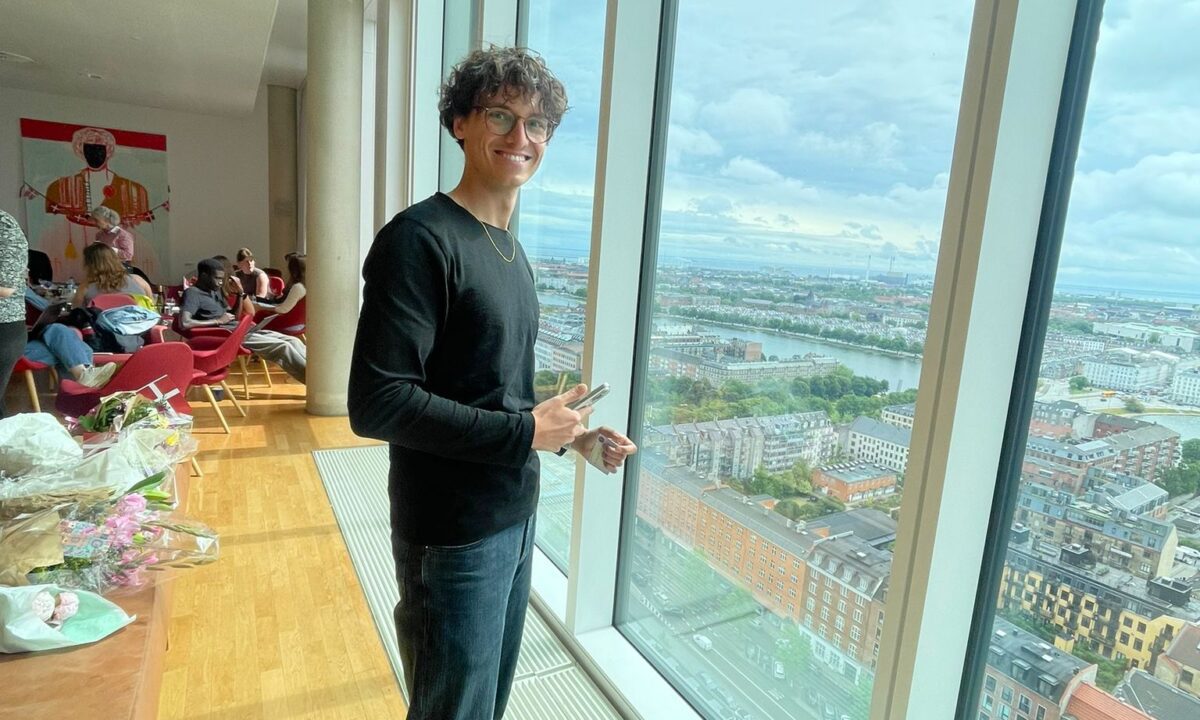
Hygge in Copenhagen
ScaDS.AI Dresden/Leipzig
This report was written by ScaDS.AI Dresden/Leipzig PhD Candidate Jakob Riccabona.
Jakob Riccabona’s Research stay at the NIVI Research Center
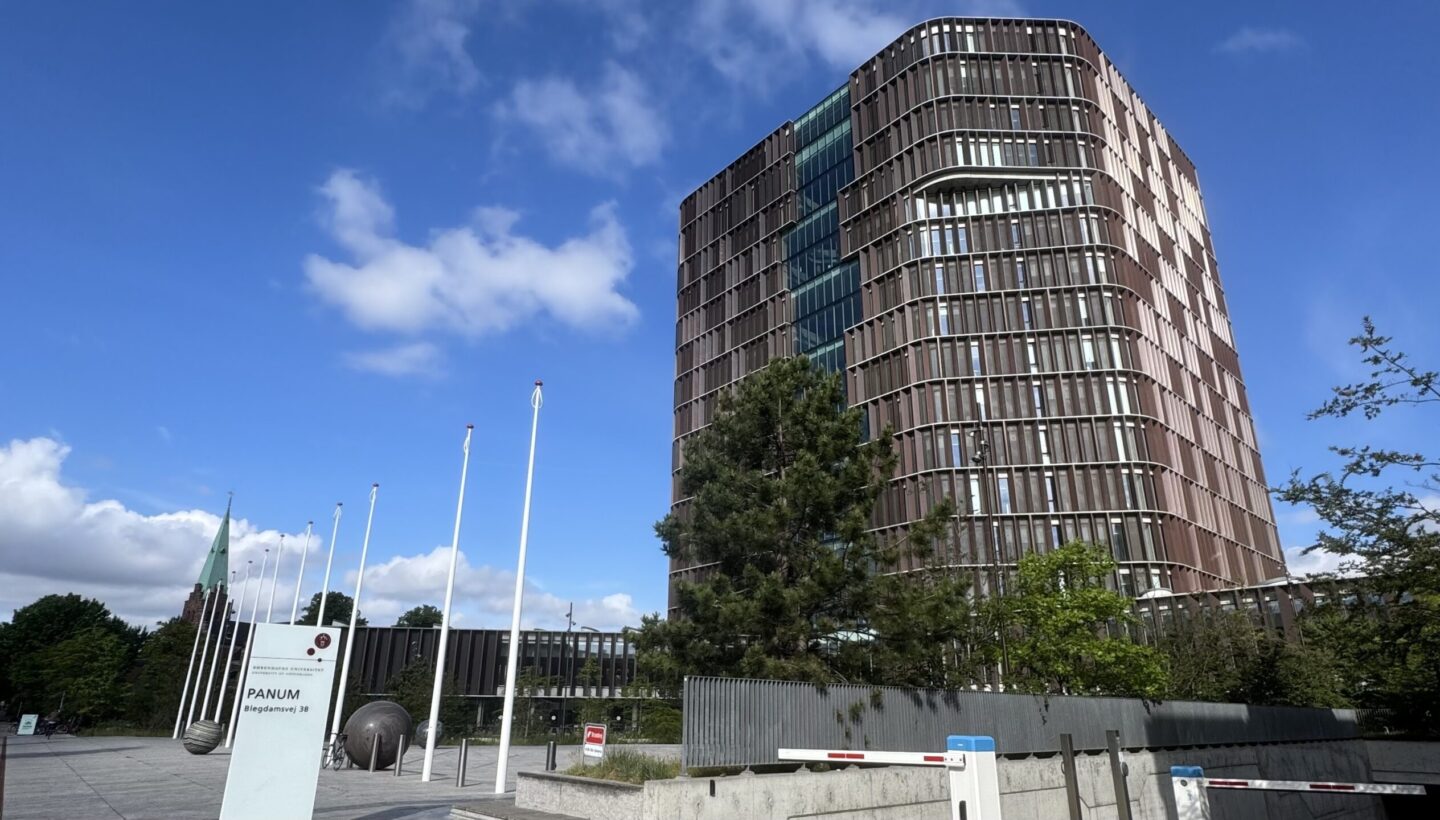
This summer, I had the opportunity to spend three months at the NIVI Research Center at the Department of Immunology and Microbiology in Copenhagen.
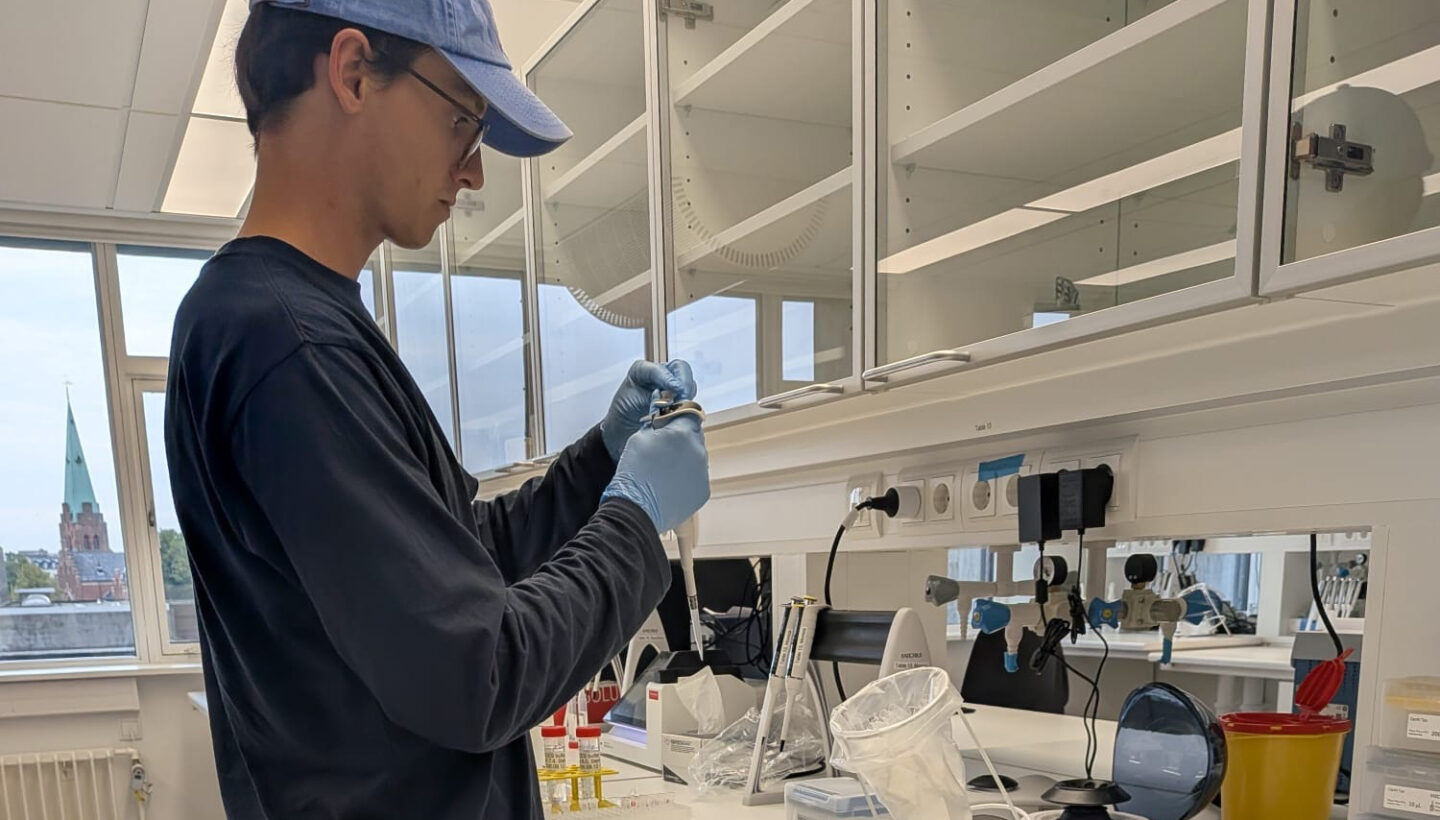
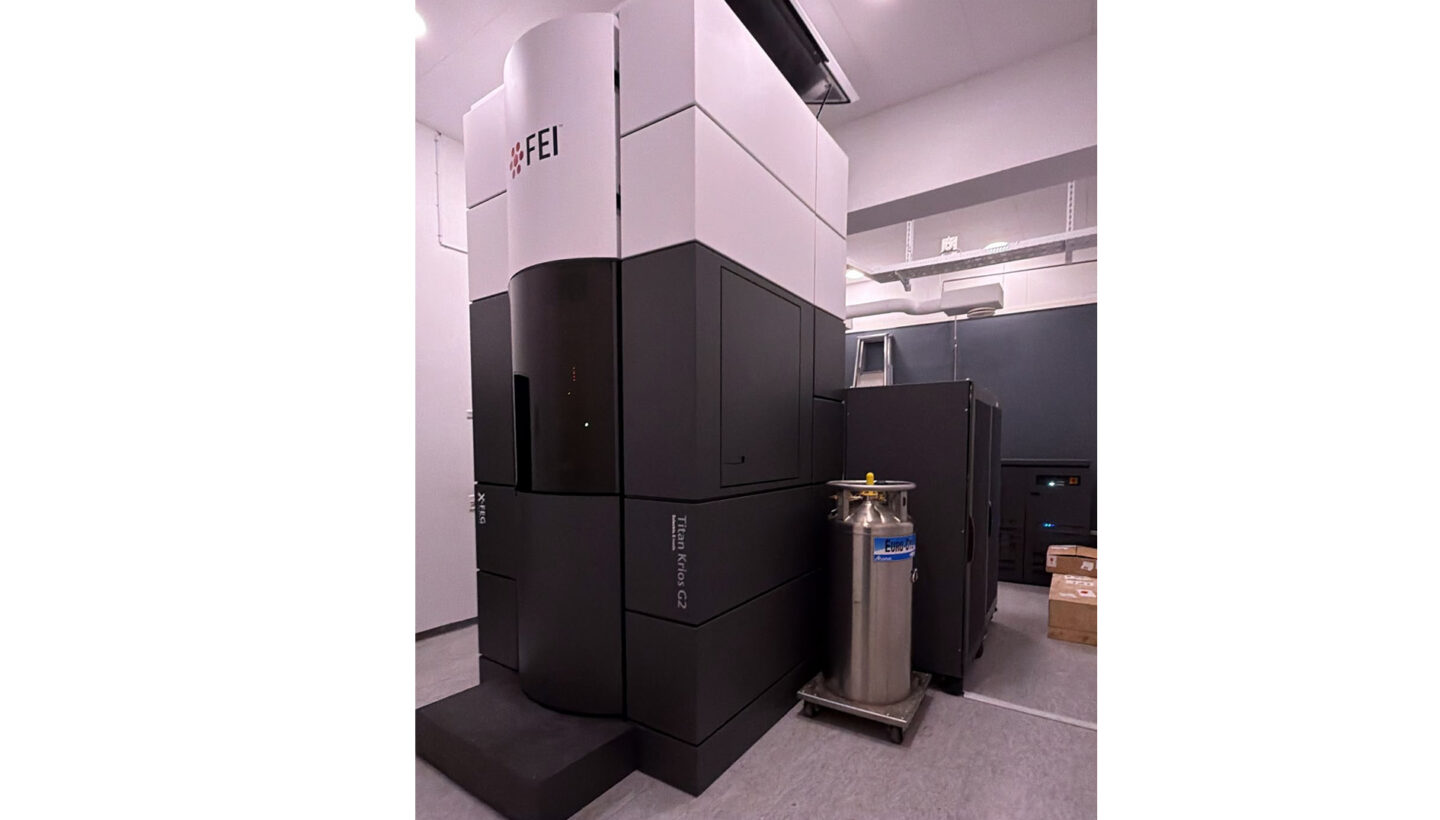
During my stay, I joined the research group of Monica Fernández-Quintero. There, I gained invaluable hands-on experience with cryo-electron microscopy (cryo-EM). This cutting-edge and versatile technique can be used to determine structural models of protein complexes. The practical experience gave me a much deeper appreciation for the precision, patience, and expertise required to obtain high-quality structures. It also showed me how even the smallest experimental errors can have a significant impact on the measurements.
The Technique
Cryo-EM involves rapidly freezing protein samples to preserve their native structures. The frozen samples are then imaged using an electron microscope. Thousands to millions of individual particle images are collected and combined to generate a 3D reconstruction of the protein. This structural information provides valuable insights into protein architecture and molecular interactions. The resulting cryo-EM maps serve as a basis for building, refining, and validating atomic protein models. Cryo-EM has become an essential tool in structural biology and computational protein structure modeling.
Exchaninging Ideas
As many projects in the SchoederLab here in Leipzig focus on vaccine design, spending time at a vaccine research institute was particularly valuable. I had the opportunity to exchange ideas with researchers from different backgrounds, receive insightful feedback on my PhD projects, and look at some of my research questions from a fresh perspective. Experiences like these showed me how important scientific exchange, especially in a field where computational work is as important as experimental work.
Beyond the scientific experience, what made my stay truly special was the people. NIVI has an incredibly open, supportive, and welcoming atmosphere. I felt like being part of the team from day one, and I am very grateful for all the interesting discussions, shared experiences and new connections that I made along the way.
Enjoying the City
Furthermore, of course, there was Copenhagen itself. Little things like cycling to work in the morning, enjoying a pastry and coffee in the afternoon, exploring the city by bike, and going for runs in Frederiksberg Have (one of my favorite parks) made the experience truly special. The long, bright summer evenings, beautiful architecture, and relaxed atmosphere added to the charm. I quickly fell in love with the city and understand why Copenhagen is among the most livable cities in the world.
All in all, these three months were an incredibly enriching experience, both professionally and personally. I am returning to Leipzig with new skills, fresh ideas, and lots of wonderful memories
A big thank you to ScaDS.AI Dresden/Leipzig and my supervisor Clara T. Schoeder for making this experience possible, and of course everyone at NIVI for making me feel so welcome. Tusend Tak!

funded by:


ScaDS.AI Dresden/Leipzig (Center for Scalable Data Analytics and Artificial Intelligence) is a center for Data Science, Artificial Intelligence and Big Data with locations in Dresden and Leipzig.


Dresden
Visitor address
Technische Universität Dresden
ScaDS.AI Dresden/Leipzig
Bürogebäude Strehlener Straße
Strehlener Straße 12, 14
01069 Dresden
ScaDS.AI Dresden/Leipzig
Bürogebäude Strehlener Straße
Strehlener Straße 12, 14
01069 Dresden
Postal address
Technische Universität Dresden
Center for Interdisciplinary Digital Sciences (CIDS)
ScaDS.AI Dresden/Leipzig
01062 Dresden
Center for Interdisciplinary Digital Sciences (CIDS)
ScaDS.AI Dresden/Leipzig
01062 Dresden
Leipzig
Visitor address
ScaDS.AI Dresden/Leipzig
Löhrs Carré
Humboldtstraße 25, Uferstr. 11
04105 Leipzig
Löhrs Carré
Humboldtstraße 25, Uferstr. 11
04105 Leipzig
Postal address
Universität Leipzig
Data Science Center ScaDS.AI Leipzig
Internes Postfach: 322001
04081 Leipzig
Data Science Center ScaDS.AI Leipzig
Internes Postfach: 322001
04081 Leipzig
Quicklinks:
Copyright 2026 © SCADS.AI Dresden/Leipzig – All rights reserved.