April 27, 2026
ScaDS.AI Early Career Innovation Projects: NIBSdose.ai
ScaDS.AI Dresden/Leipzig
At the beginning of the year, researchers from Leipzig University and ScaDS.AI Leipzig were able to apply for funding through the “ScaDS.AI Early Career Innovation Projects on the Future of AI.” As part of the initiative, potential candidate could attend joint brainstorming, writing and pitch-practice sessions. Hence, the initiative provided early-career researchers with training about how to apply for research funding. A jury of ScaDS.AI Principal Investigators selected the best 7 projects from 71 applications. They will receive project funding for up to six months in 2026 to implement their projects. We will present the winning projects here as part of the “Early Career Innovation Projects” series.
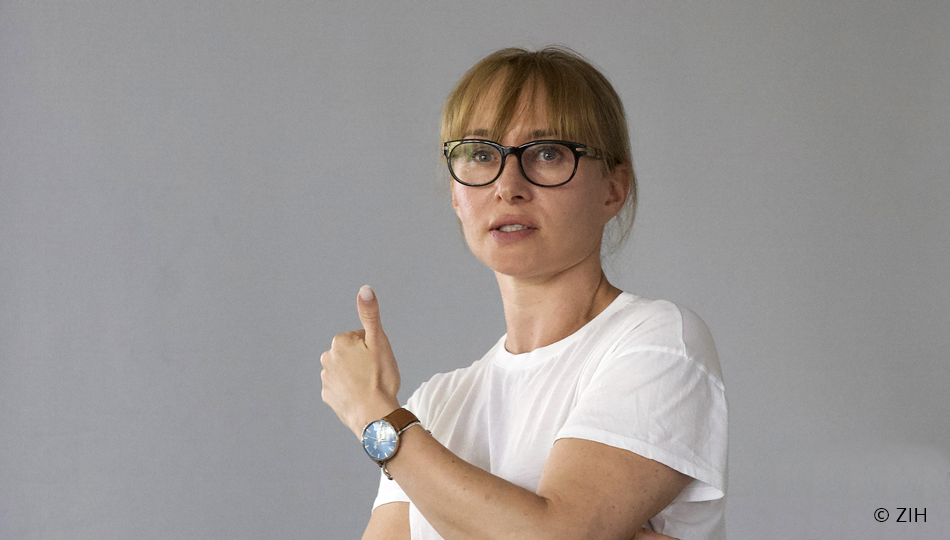
First up is Dr. Ole Numssen from ScaDS.AI, Leipzig University and Max Planck Institute for Human Cognitive and Brain Sciences. The project “NIBSdose.ai – AI-Driven Personalization of Noninvasive Brain Stimulation” is among the seven funded projects.
NIBSdose.ai – AI‑Driven Personalization of Noninvasive Brain Stimulation
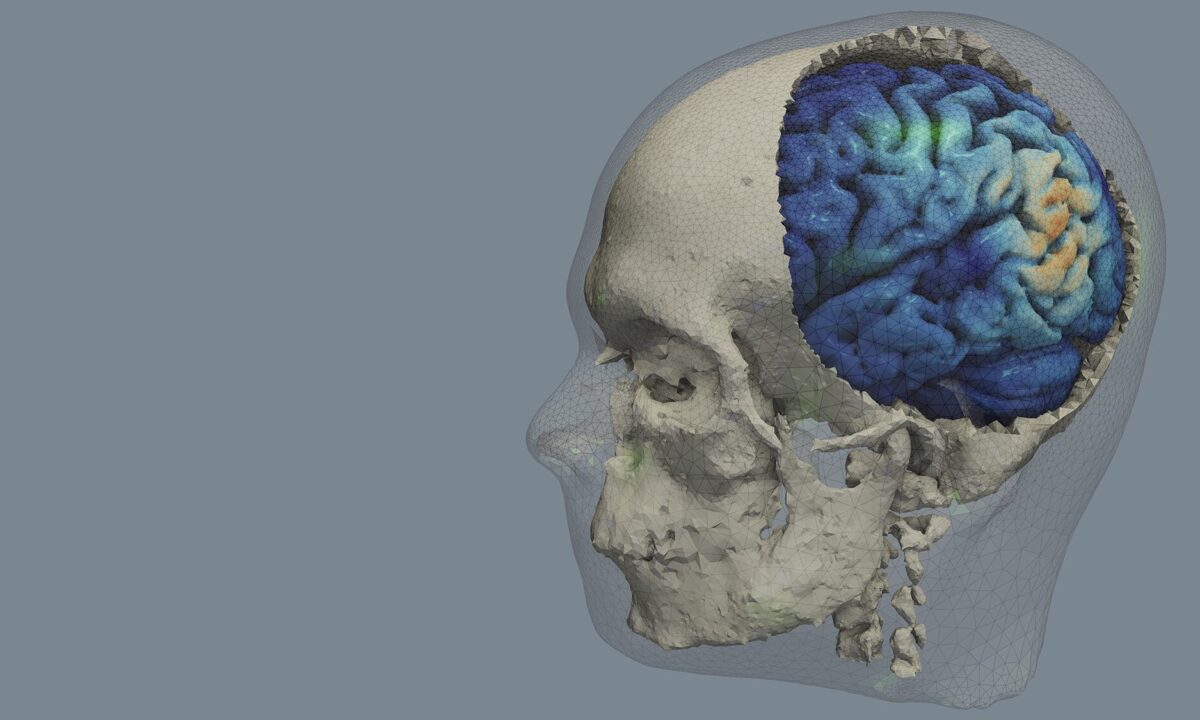
This project focuses on the use of machine learning models in non-invasive brain stimulation, particularly in transcranial magnetic stimulation (TMS). During TMS, specific brain regions are stimulated with electro-magnetic pulses to modulate neuronal activity, for example to improve brain function in certain diseases.
As part of this project funding, Ole Numssen will develop an AI-supported framework for the individualiztion and optimization of TMS, using UNET-style neural networks. TMS is an established treatment option recommended in clinical guidelines for conditions such as treatment-resistant depression. However, it remains underutilized relative to its evidence base, partly because truly individualized dosing is too resource-intensive for most providers. By making dosage support fast, MRI-optional, and uncertainty-aware, NIBSdose.ai will lower the barriers to high-quality TMS. Therefore, it enables more patients to access effective, non-pharmacological treatments with favorable side effect profiles.
“With NIBSdose.ai, we bridge the gap between highly engineered, simulation‑heavy TMS pipelines and everyday reality. By turning super‑accurate but complex models into dosing support that practitioners can actually use.”
Making TMS accessible to clinics and research laboratories
With this, NIBSdose.ai will transform expensive TMS modeling pipelines into fast, reusable AI surrogates that can be queried in real time. By combining MRI-based and MRI-free models in a single tool and displaying both the predictions and their uncertainties in parallel, the project aims to making dosing support accessible to clinics and research laboratories, rather than just a few highly specialized centers.
“In the long term, this work points to a future in which AI-driven, uncertainty-aware decision support becomes the standard in neuromodulation. It enables equitable access to advanced brain stimulation and helping healthcare systems make more efficient use of scarce resources.” Explains Ole Numssen.
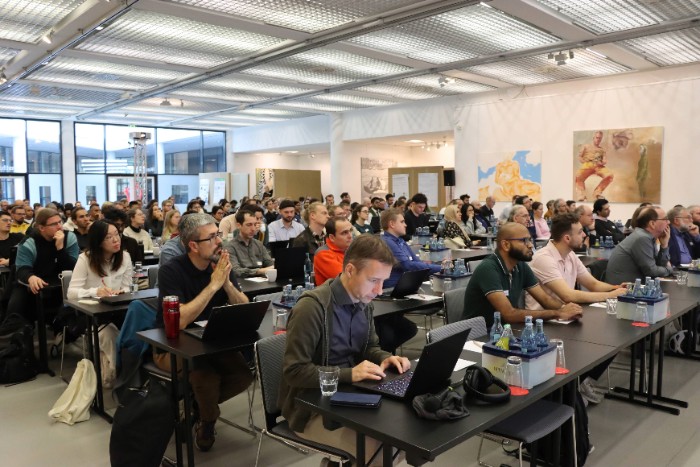
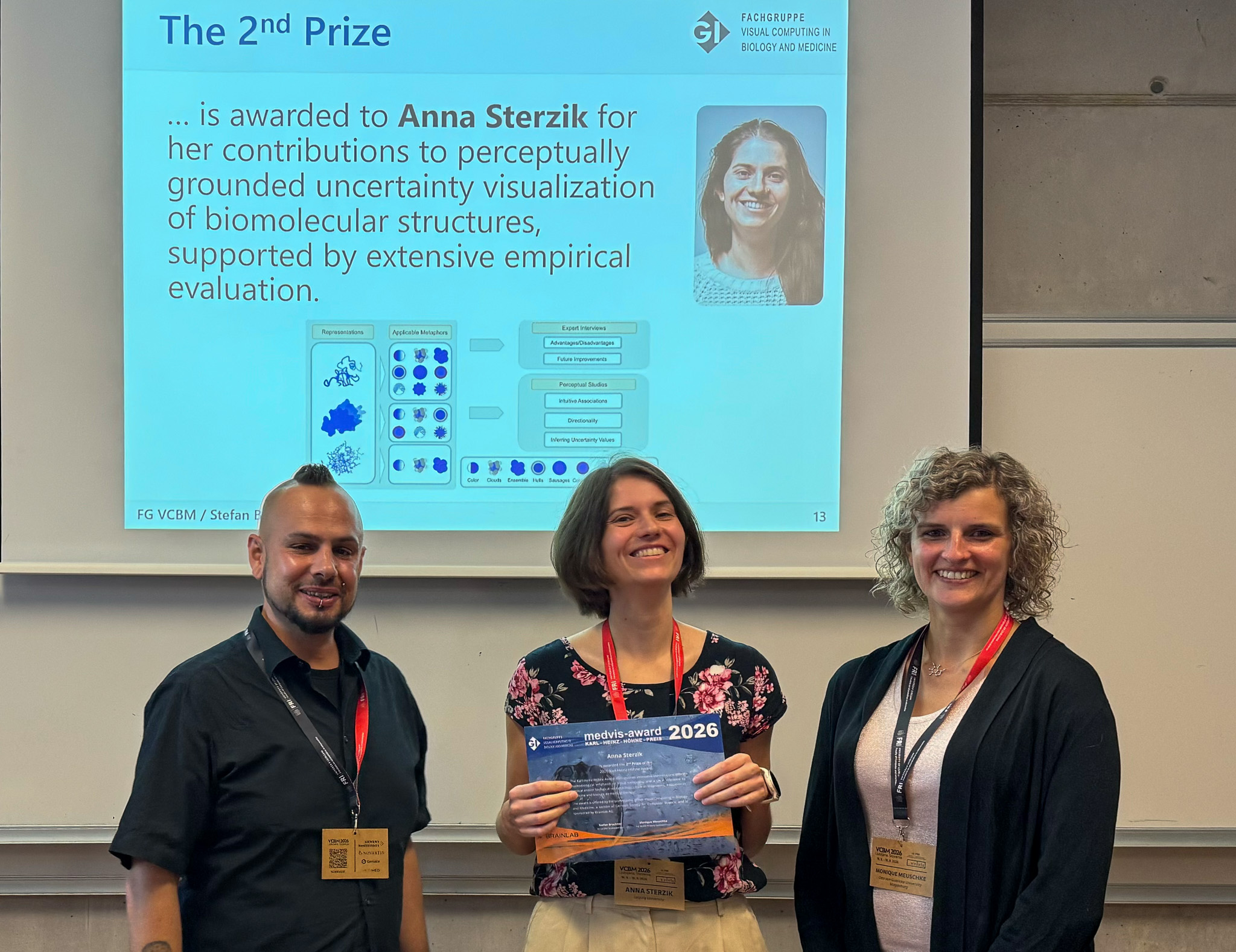
Find out more about Ole Numssen’s previous research projects on:

funded by:
ScaDS.AI Dresden/Leipzig (Center for Scalable Data Analytics and Artificial Intelligence) is a center for Data Science, Artificial Intelligence and Big Data with locations in Dresden and Leipzig.


Dresden
Visitor address
Technische Universität Dresden
ScaDS.AI Dresden/Leipzig
Bürogebäude Strehlener Straße
Strehlener Straße 12, 14
01069 Dresden
ScaDS.AI Dresden/Leipzig
Bürogebäude Strehlener Straße
Strehlener Straße 12, 14
01069 Dresden
Postal address
Technische Universität Dresden
Zentrum für Informationsdienste und Hochleistungsrechnen
ScaDS.AI Dresden/Leipzig
01062 Dresden
Zentrum für Informationsdienste und Hochleistungsrechnen
ScaDS.AI Dresden/Leipzig
01062 Dresden
Leipzig
Visitor address
ScaDS.AI Dresden/Leipzig
Löhrs Carré
Humboldtstraße 25, Uferstr. 11
04105 Leipzig
Löhrs Carré
Humboldtstraße 25, Uferstr. 11
04105 Leipzig
Postal address
Universität Leipzig
Data Science Center ScaDS.AI Leipzig
Internes Postfach: 322001
04081 Leipzig
Data Science Center ScaDS.AI Leipzig
Internes Postfach: 322001
04081 Leipzig
Quicklinks:
Copyright 2026 © SCADS.AI Dresden/Leipzig – All rights reserved.